
Commercial & tenant improvements
Open on the date you were given, not the date it drifted to.
Tenant improvements, retail and office build-outs, and punch lists that get closed. This is the background the rest of Salty was built on — fixed open dates, a brand standard, and a finish that gets inspected by people who do it for a living.
Where we fit
Interiors, on someone else’s deadline.
Our commercial history is fit-out work for national apparel and retail brands — the kind of job where the store opens on the date on the lease and the finish gets walked by people who notice everything. Property managers, architects and GCs call us for the same reason: the schedule is real and the punch list gets closed.
It is not all build-outs. A good share of the week is back-office support — whiteboards hung, shelving added and secured, the small office punch list that has been on someone’s desk for a month. Same crew, same standard, scheduled around your staff.
PMs, architects and GCs: we take interior packages, finish scopes and punch-list close-out. Send the drawings and the date and we will tell you what is honest.
Retail build-outs
New stores, refits and rebrands on a landlord’s calendar. Fixtures, millwork, finishes and the fiddly bits the brand standard is very specific about.
Tenant improvements
Office, suite and studio TI: demo, partitions, doors and hardware, ceilings, floor finishes, and coordination with the trades that hold the licences.
Punch-list close-out
The last five percent, done by people who treat it as a document to close. Walk it, fix it, photograph it, hand it over.
Back-office support
The office punch list nobody on staff wants to own: whiteboards and boards hung level, shelving added and secured properly, monitors and fixtures mounted, furniture anchored. Booked as a visit rather than a project.
Maintenance and repairs
Doors, hardware, drywall, paint and the wear that shows up in a space the public walks through every day. Scheduled around your trading hours.
Recent build-out — Utah
A retail tenant improvement, handed back finished.
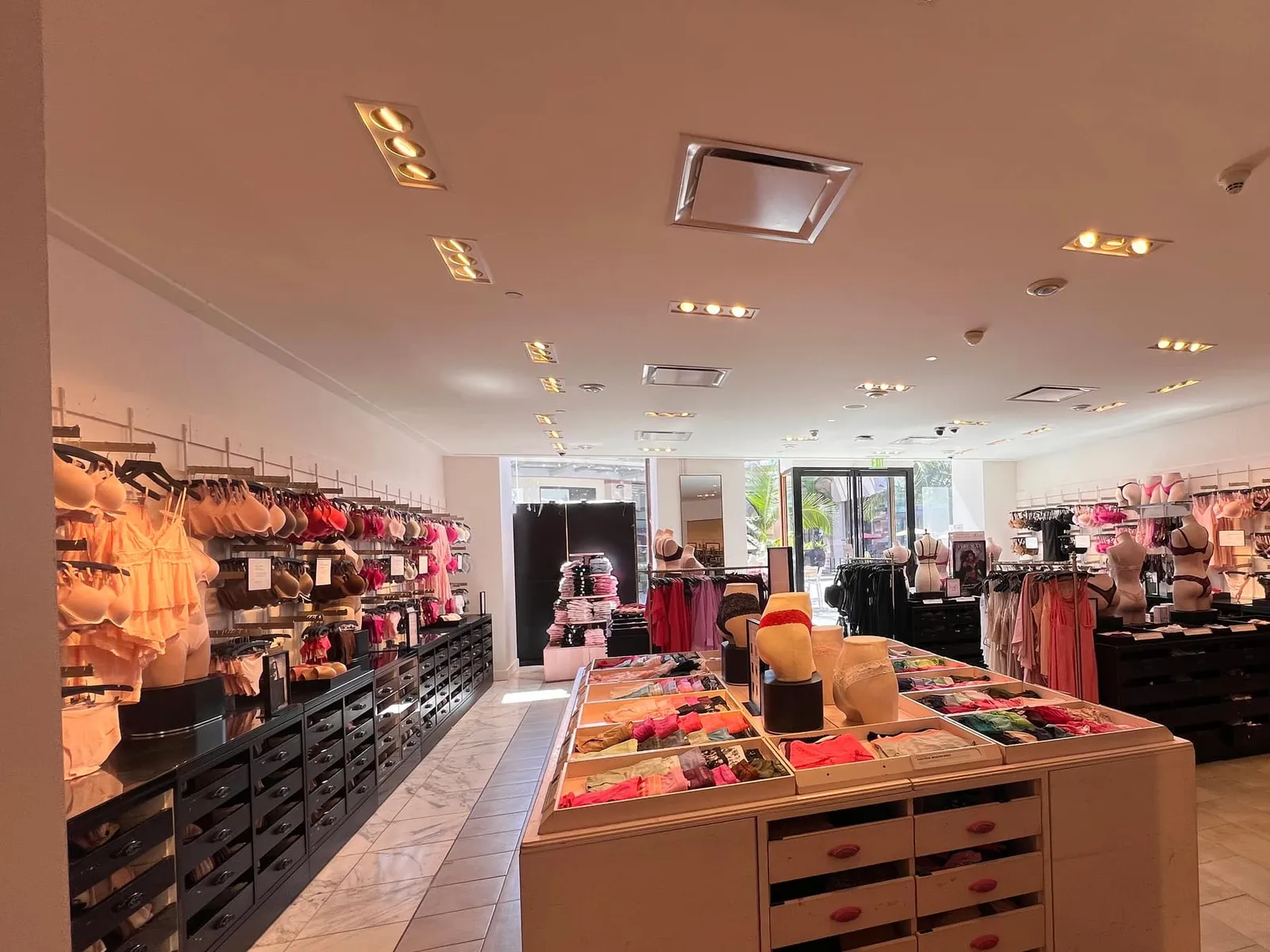
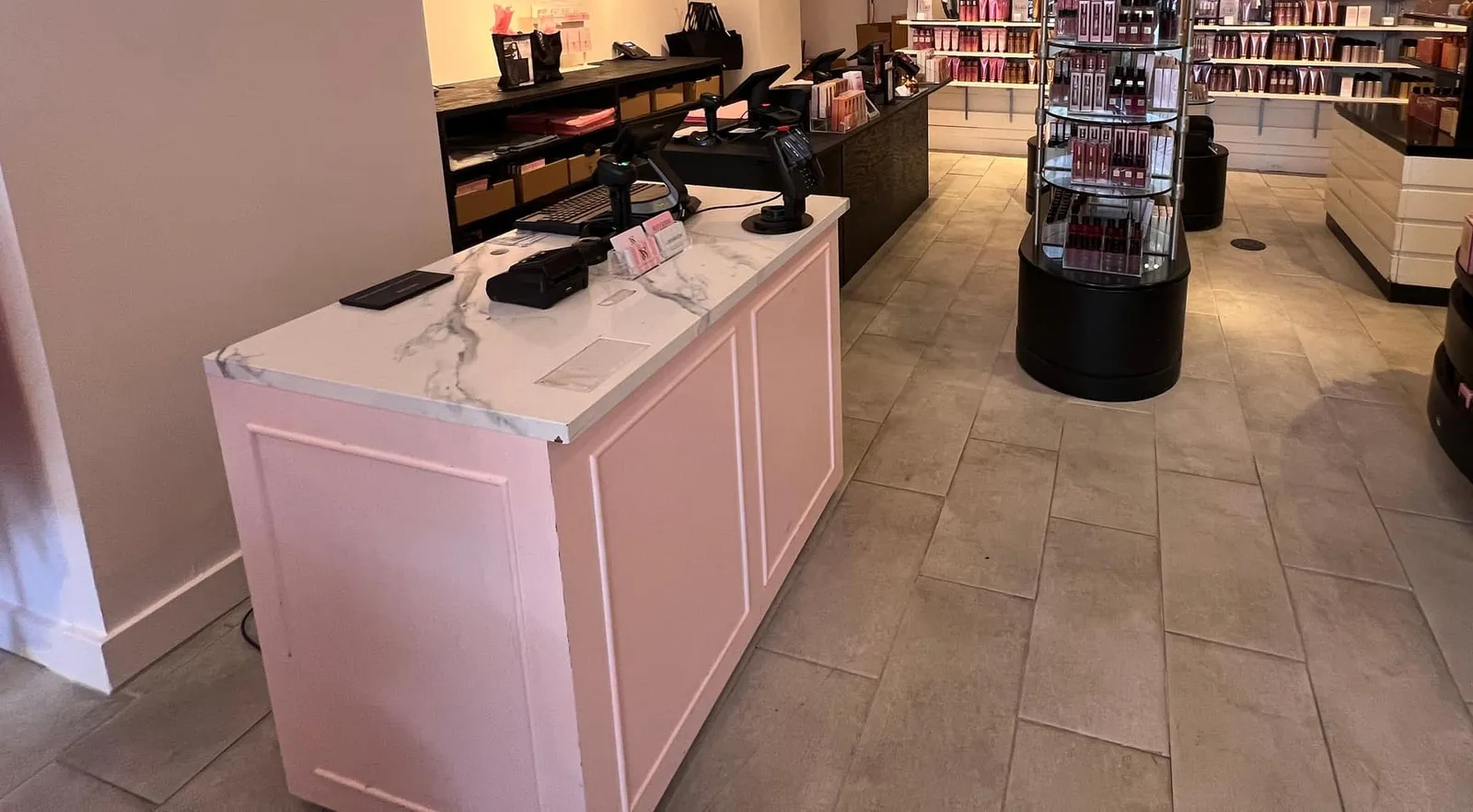
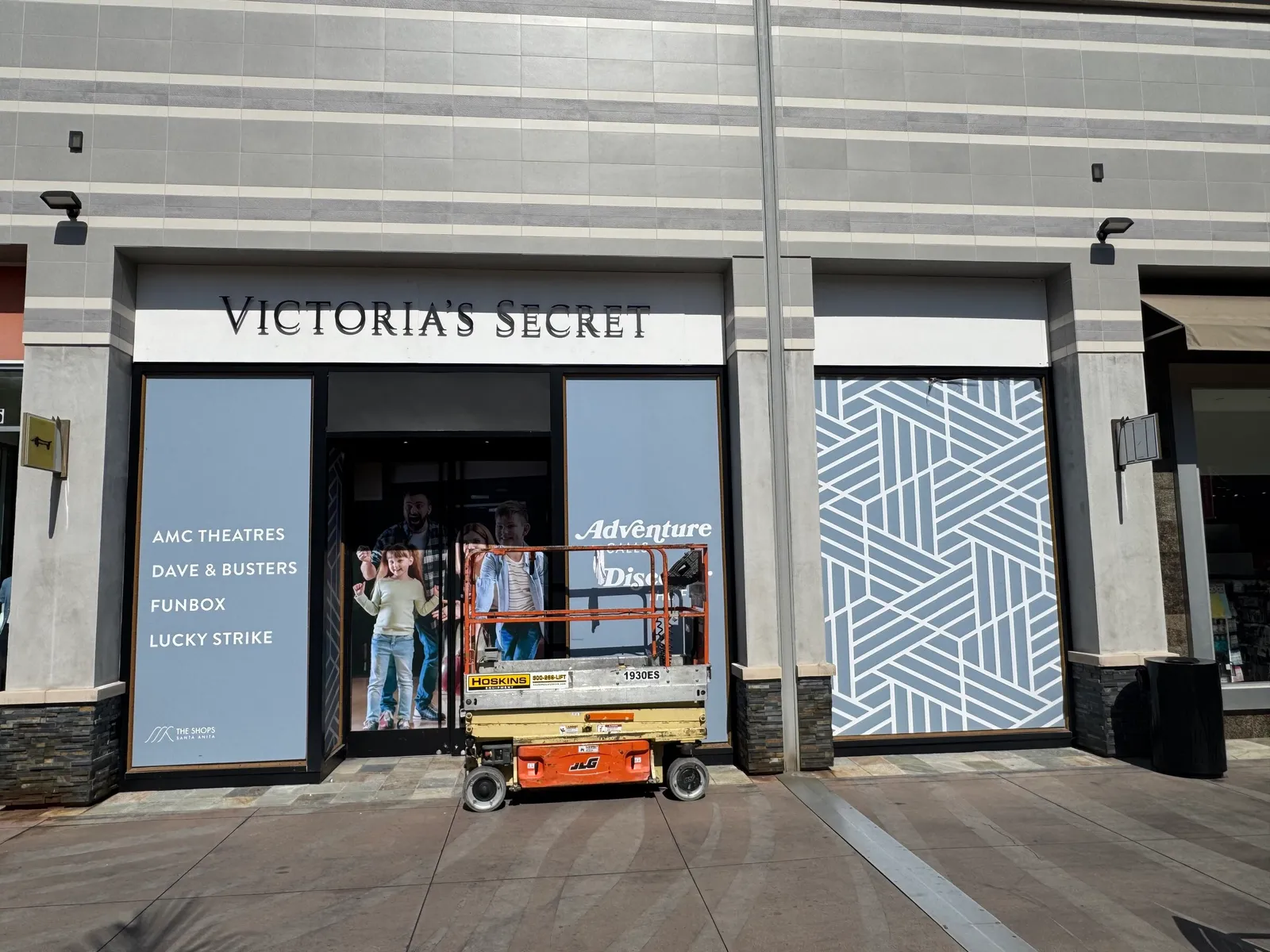
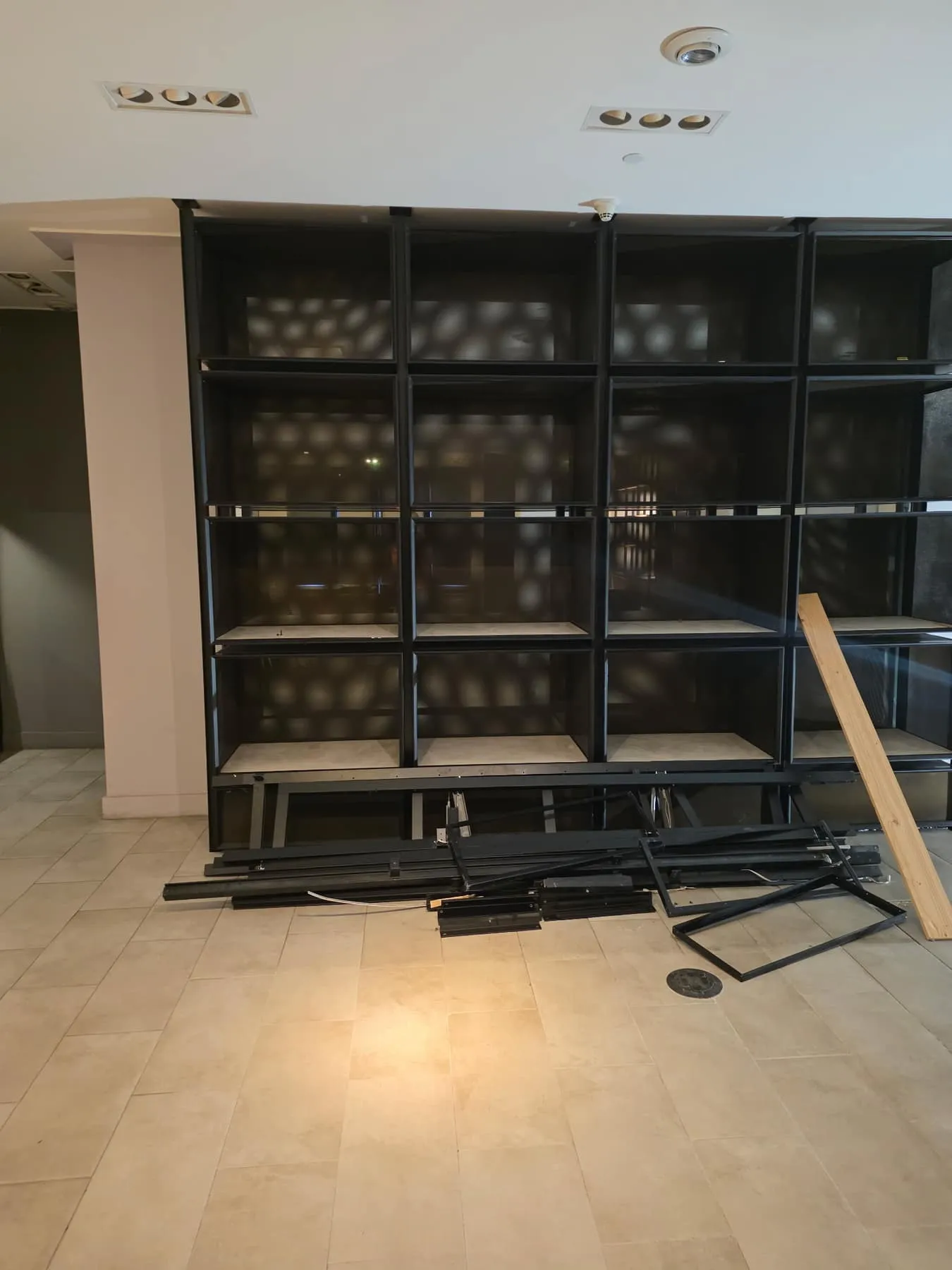
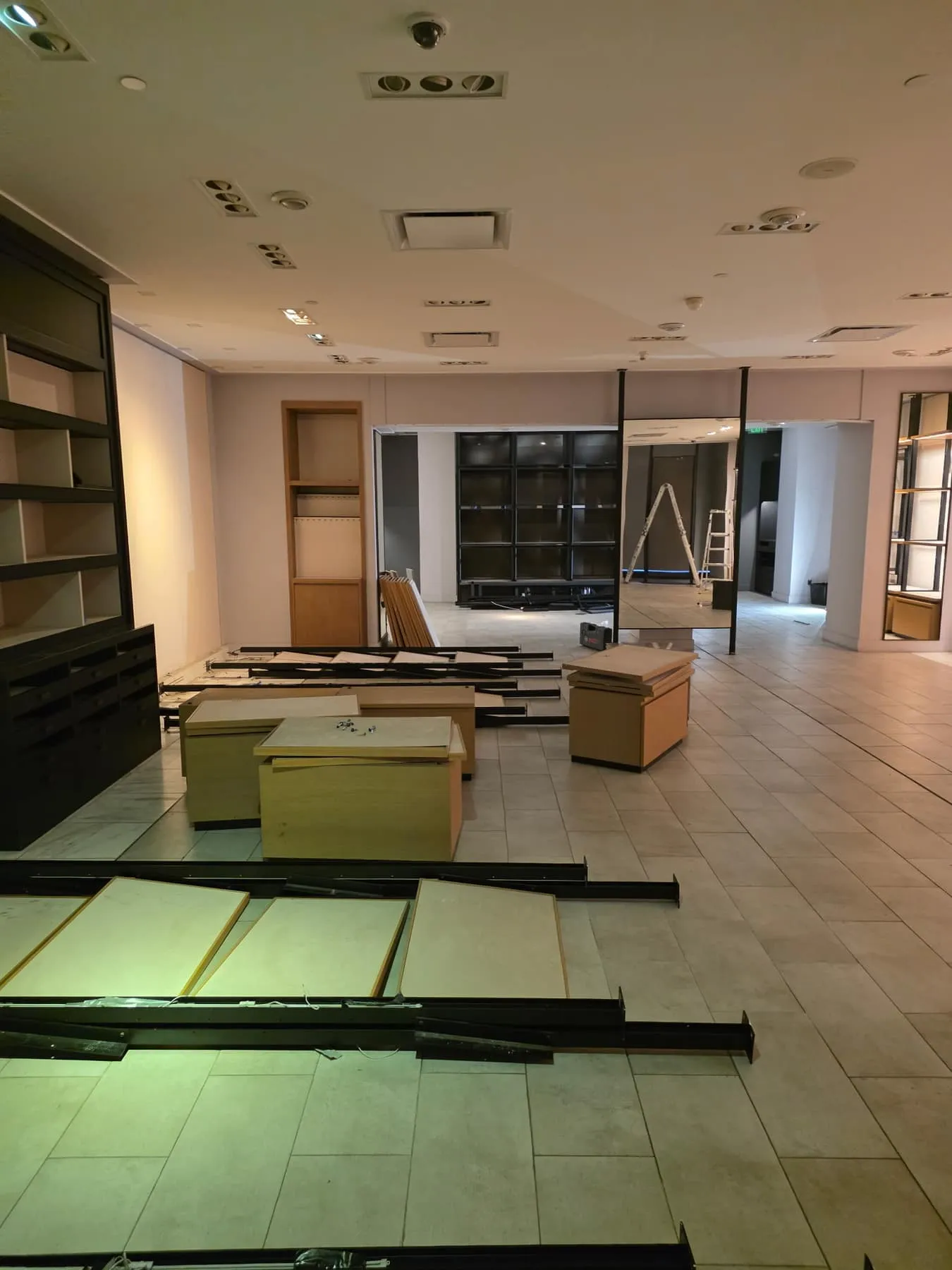
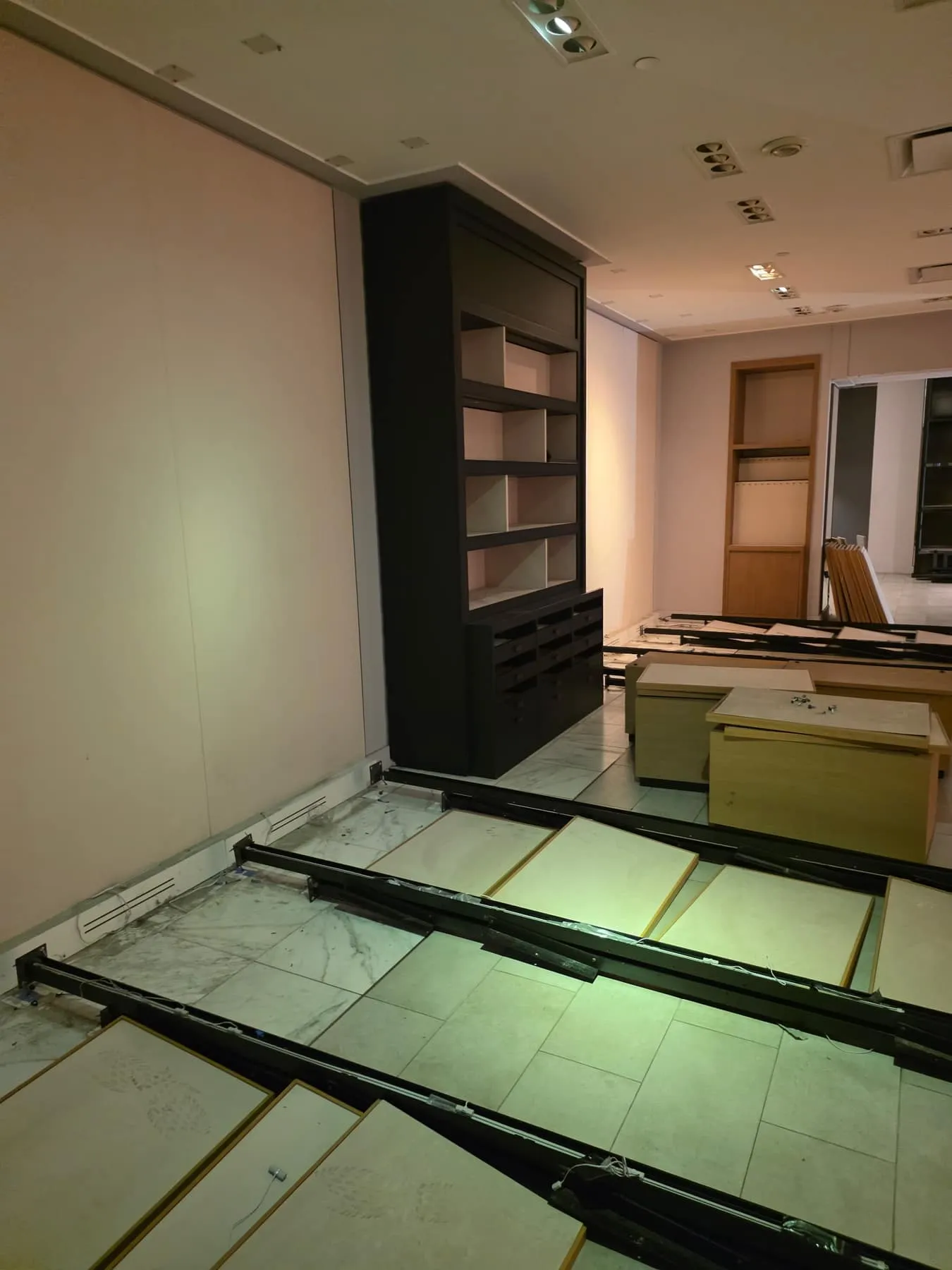
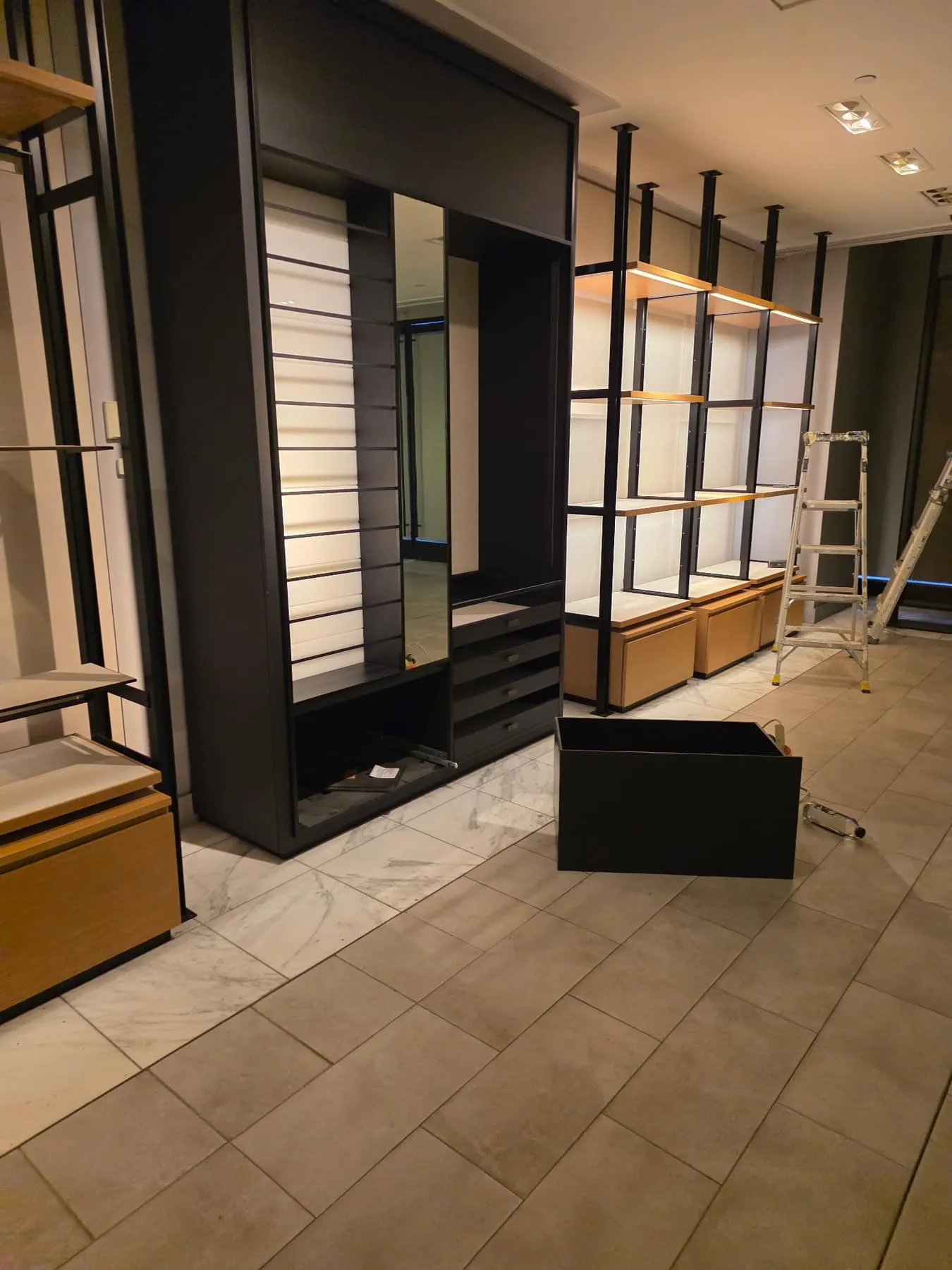
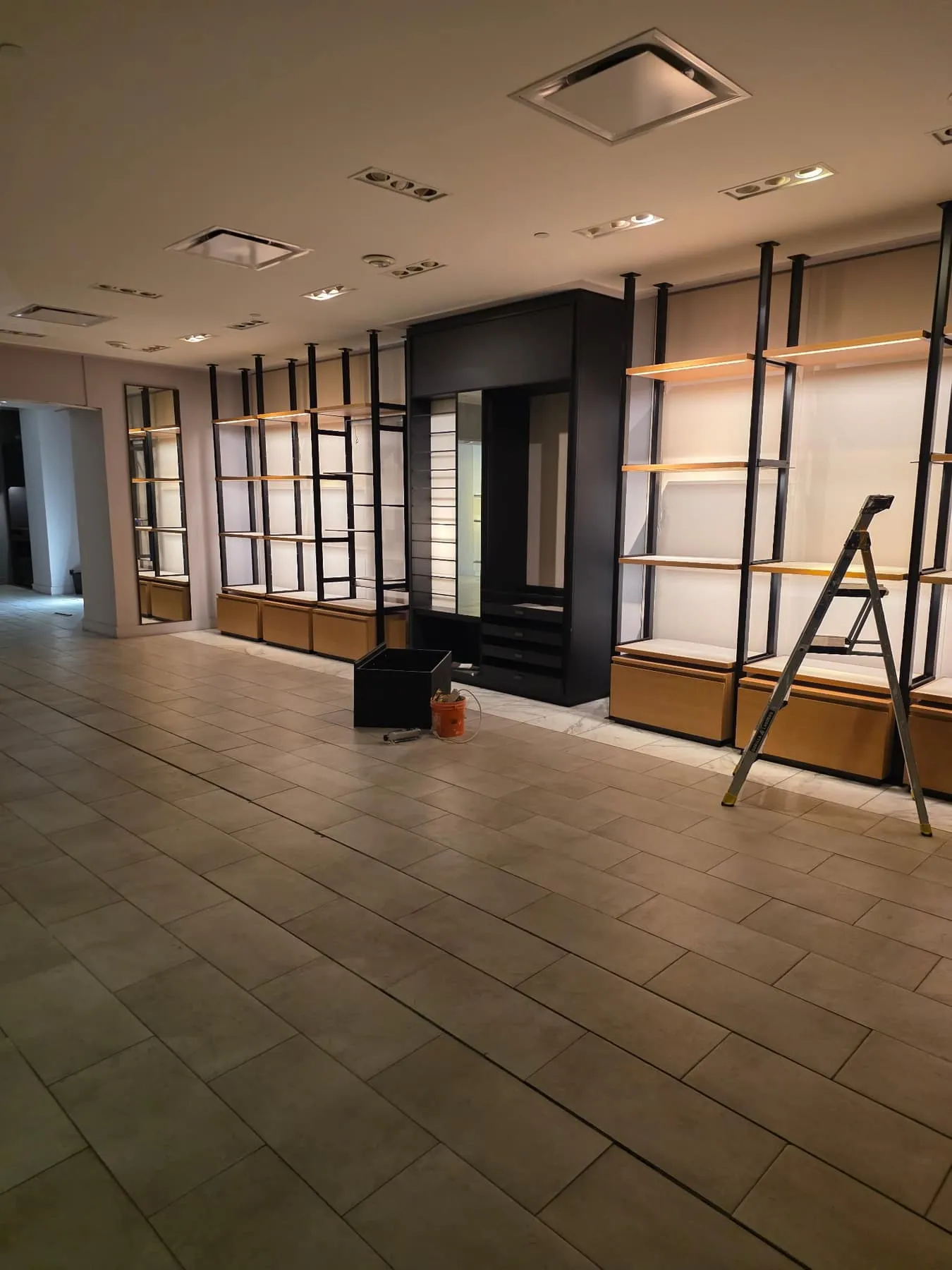
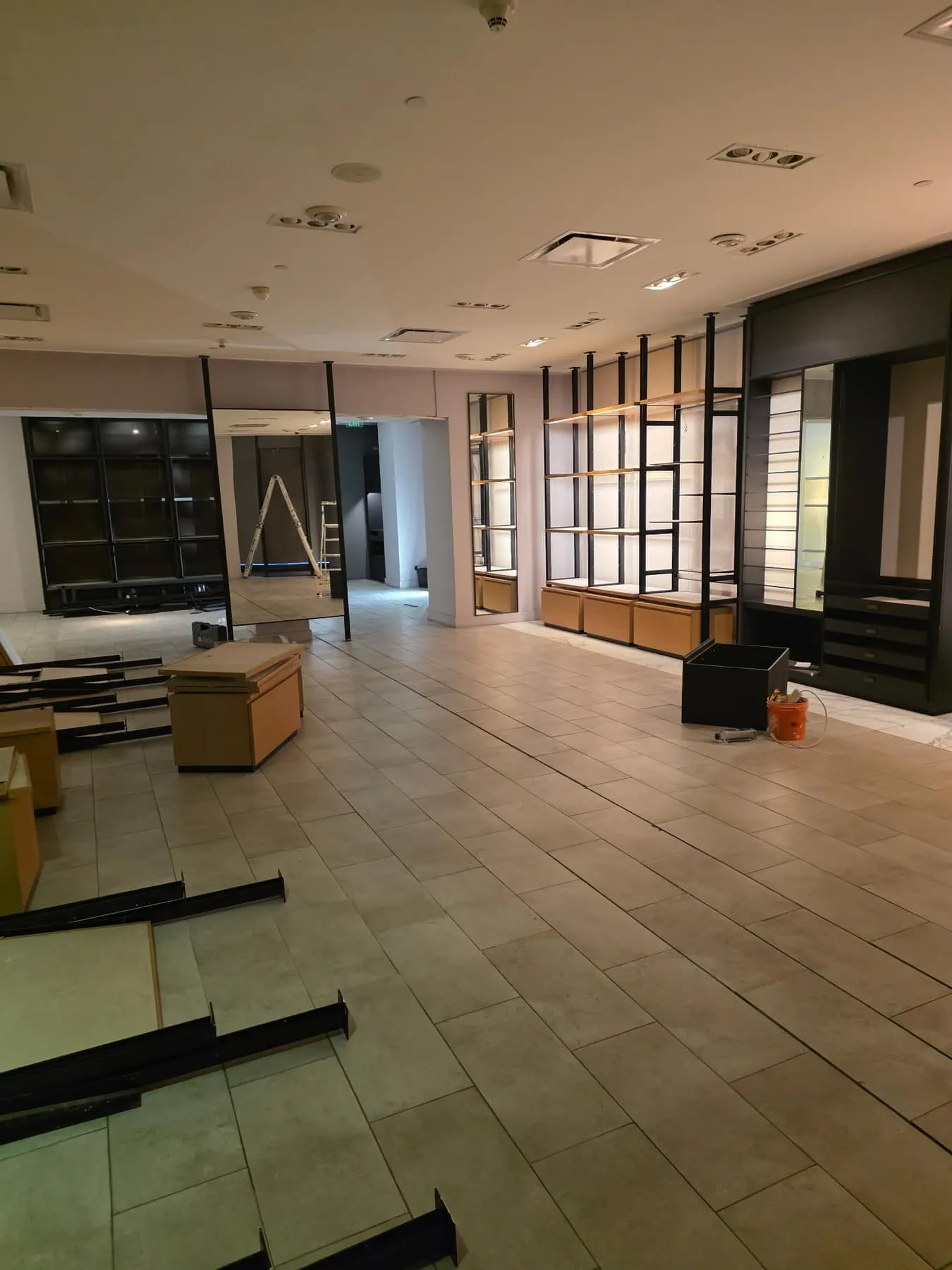
A retail tenant improvement in Utah, built out and handed back finished. The old fit-out came out first, then the tile, the drywall patching and the paint, and after that the fixtures: wall standards set and secured, the fitting area assembled, and the long list of miscellaneous TI work that fills the back half of a build-out schedule. The first frames are the finished sales floor; the rest is the same room with the fixtures still flat on the tile.


Recent build-out — arched storefront
A second fit-out, handed back as a finished shell.
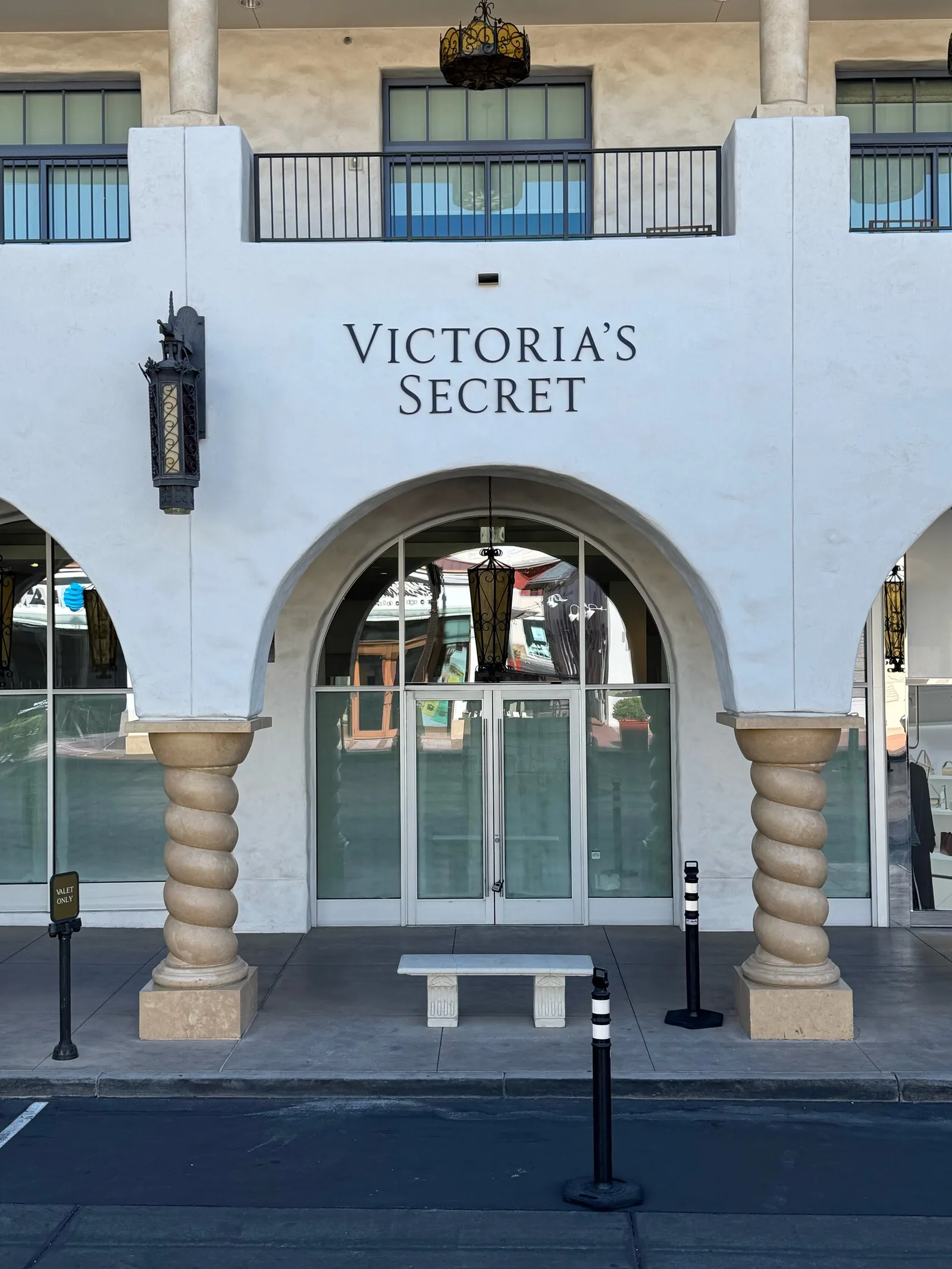
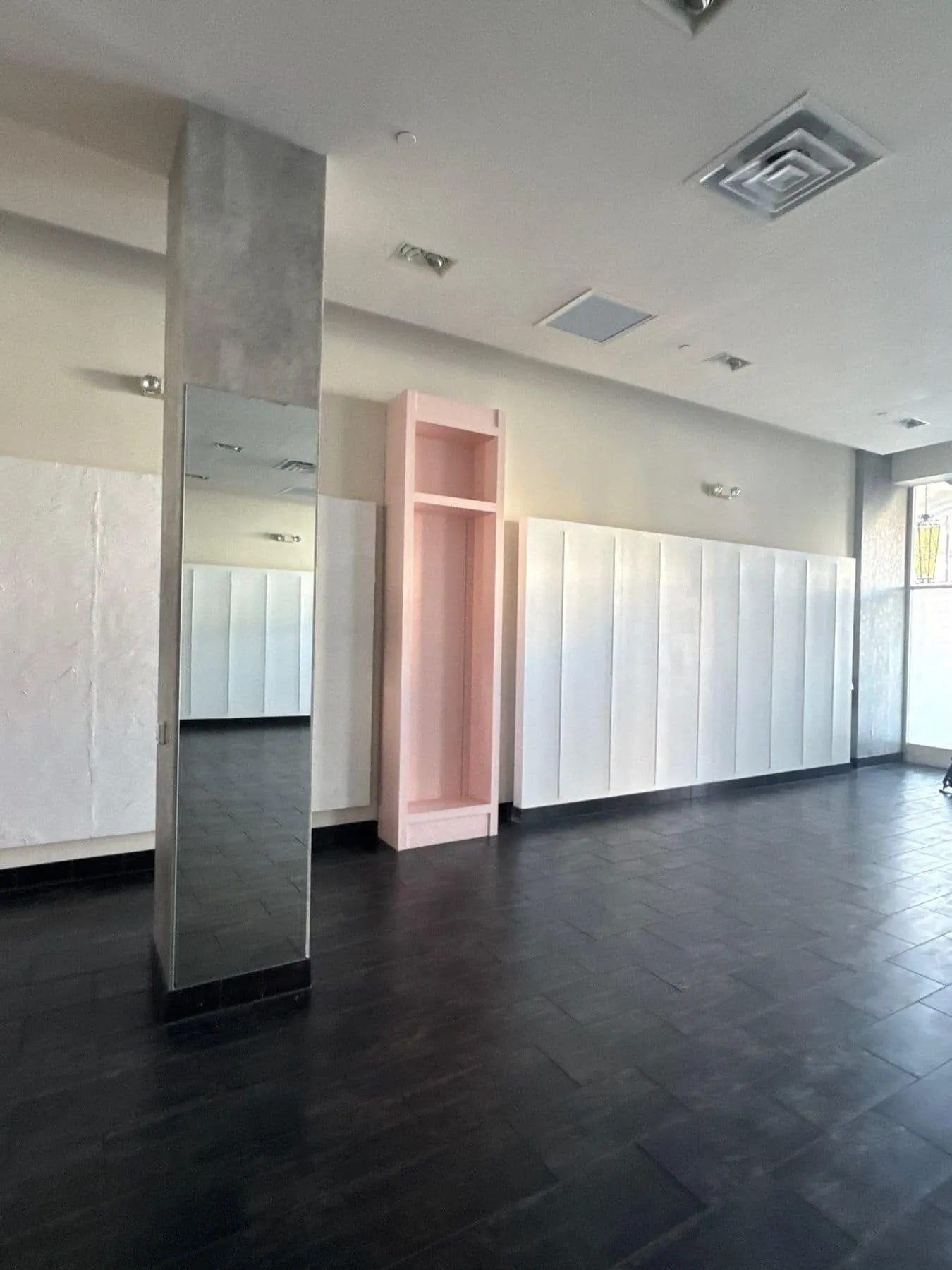
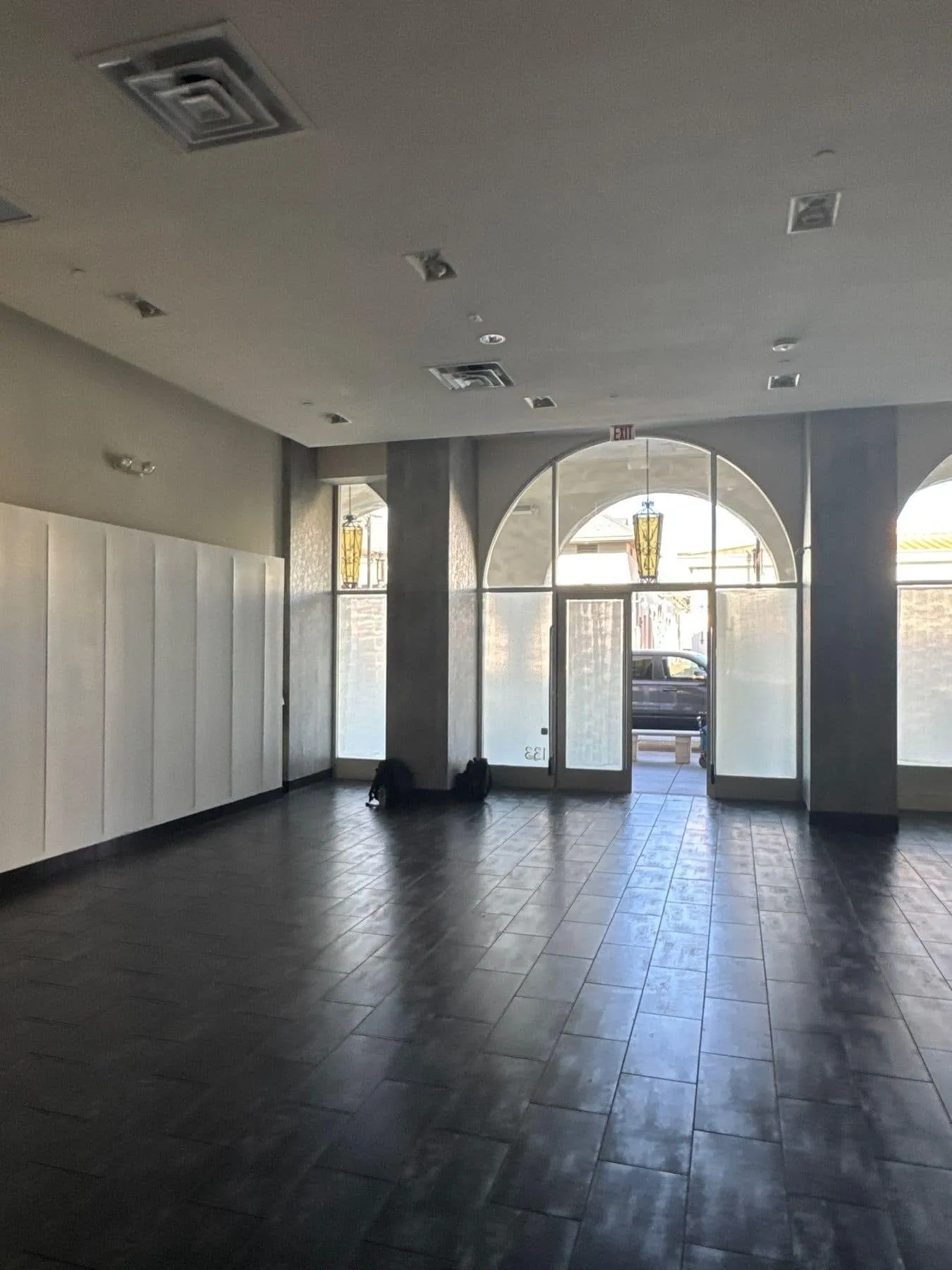
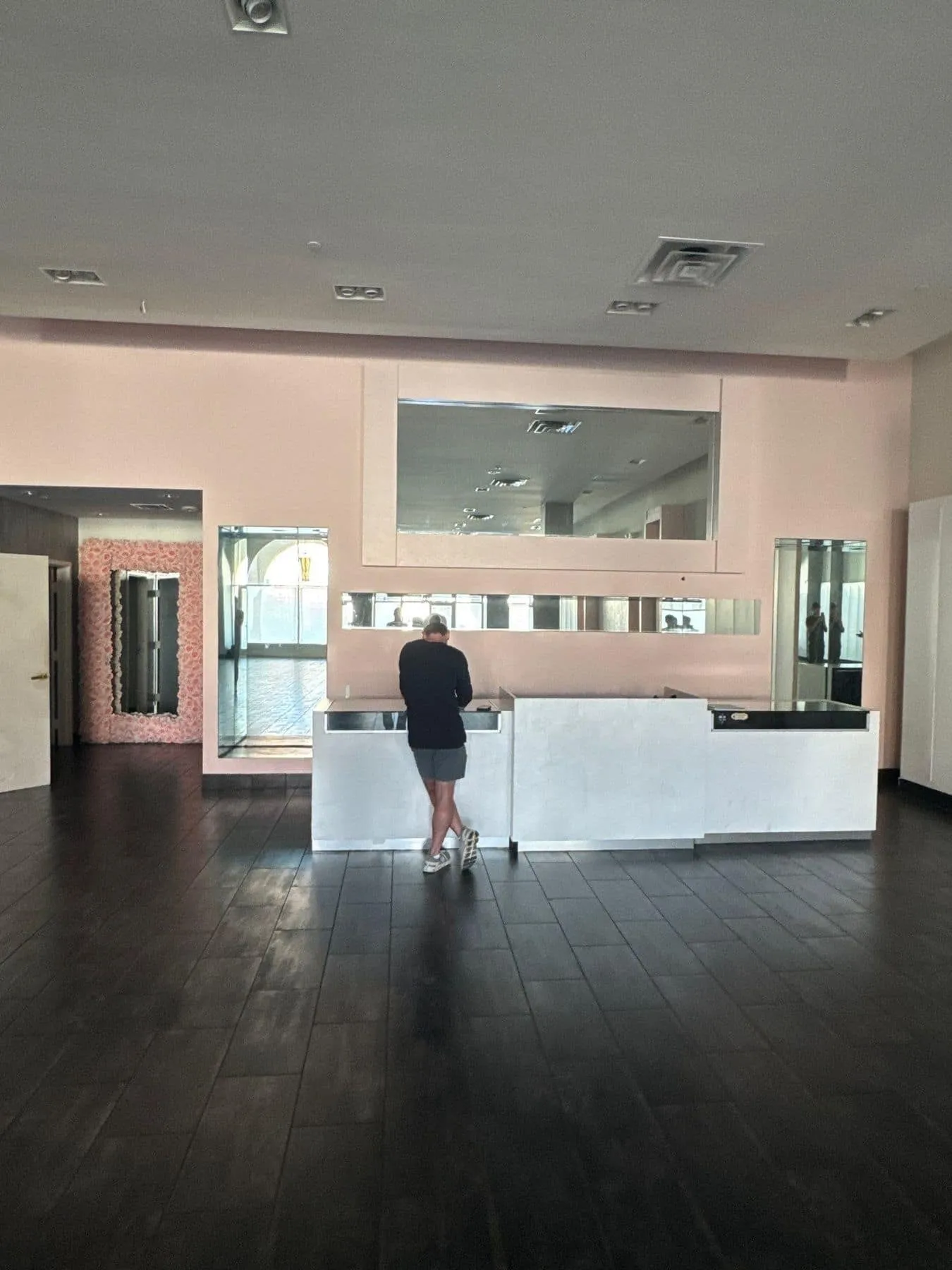
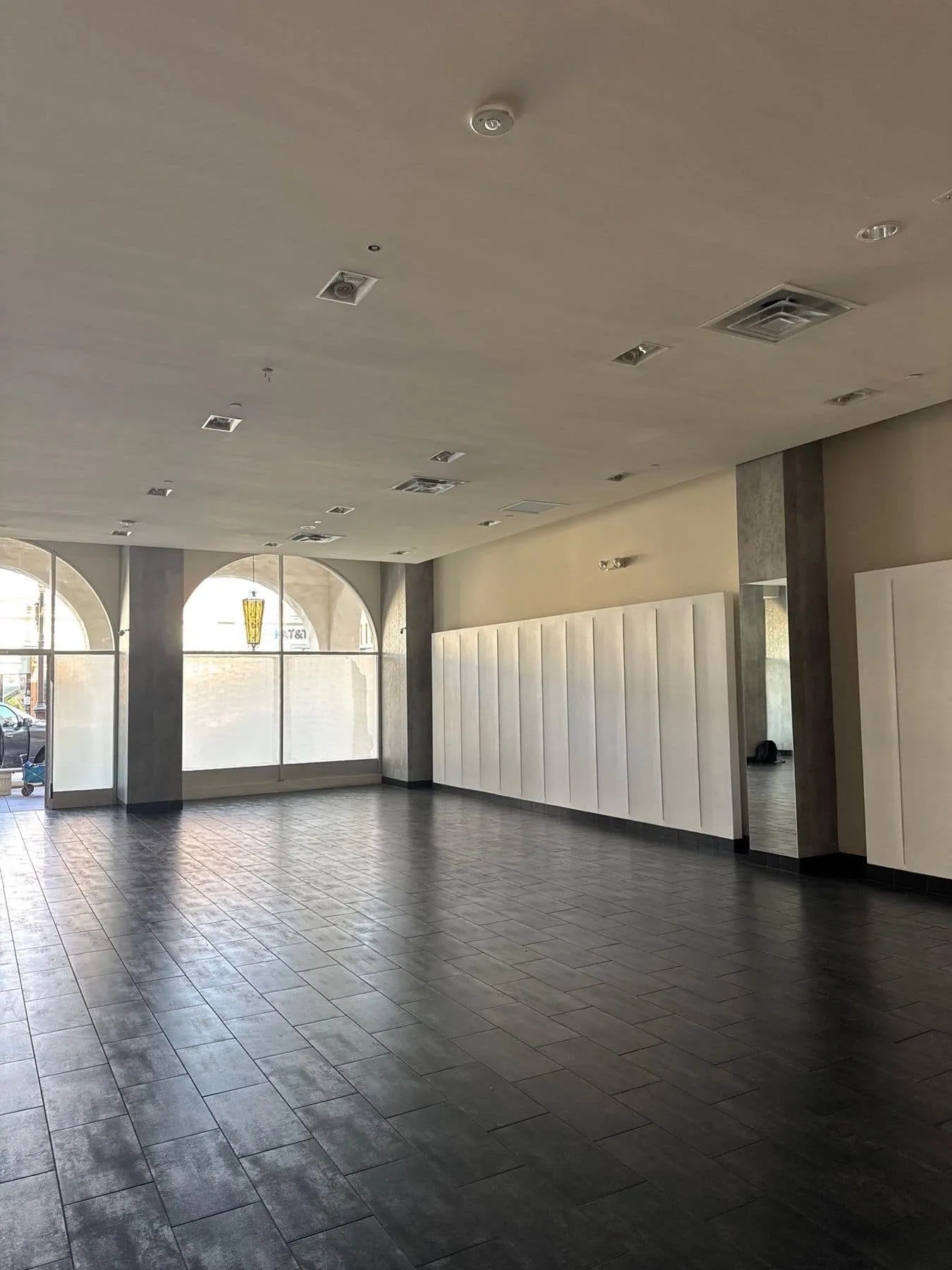
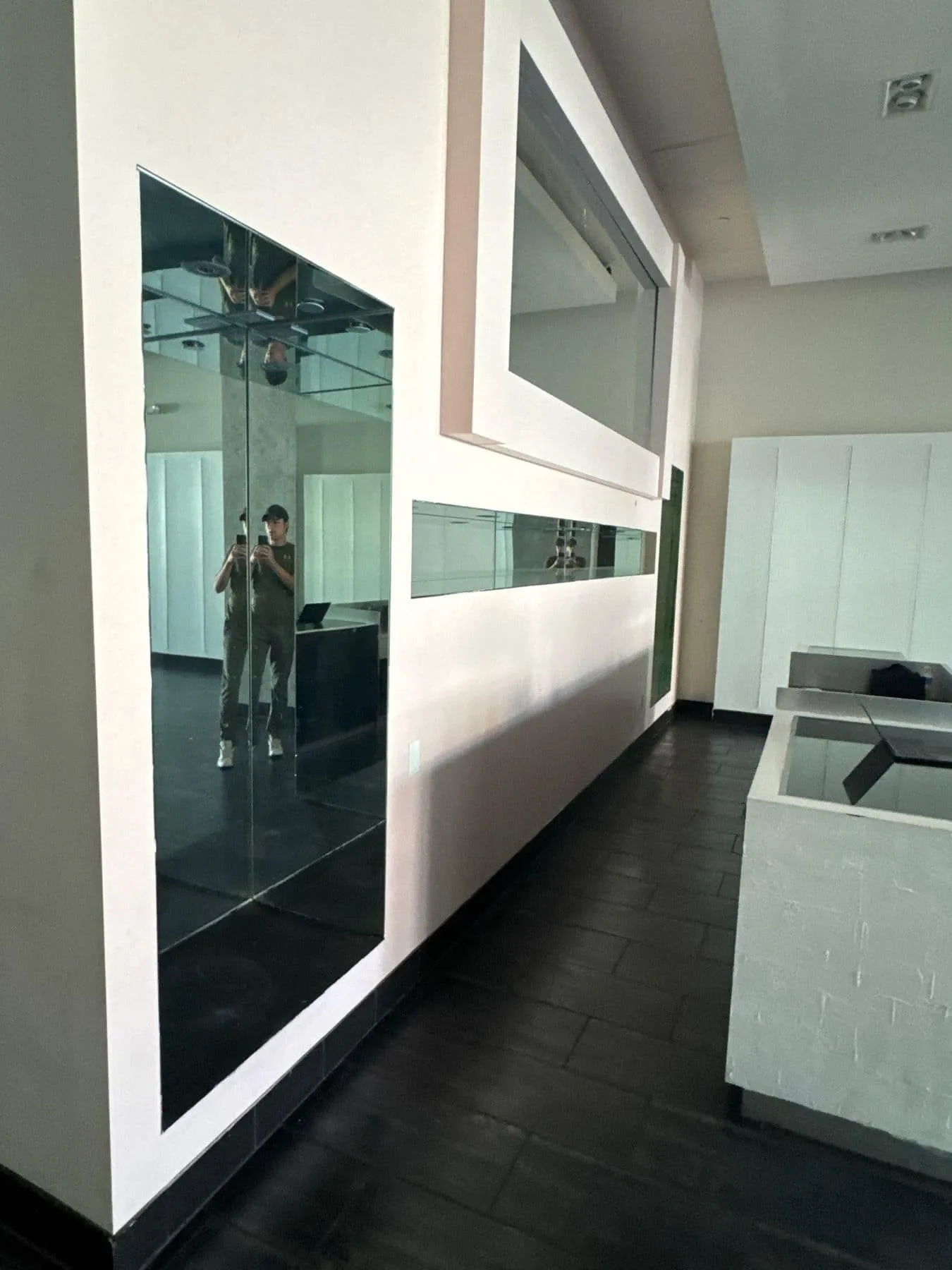
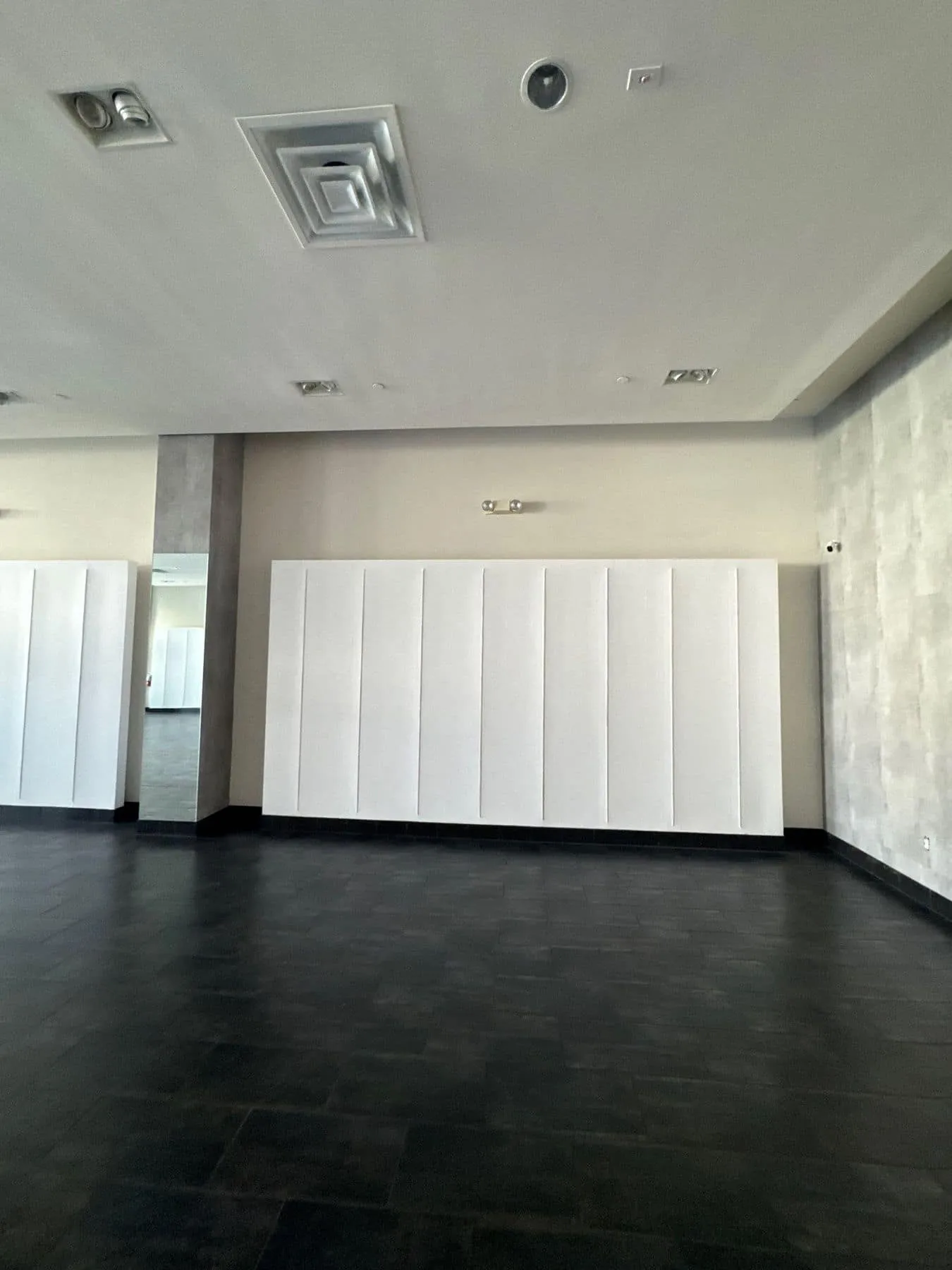
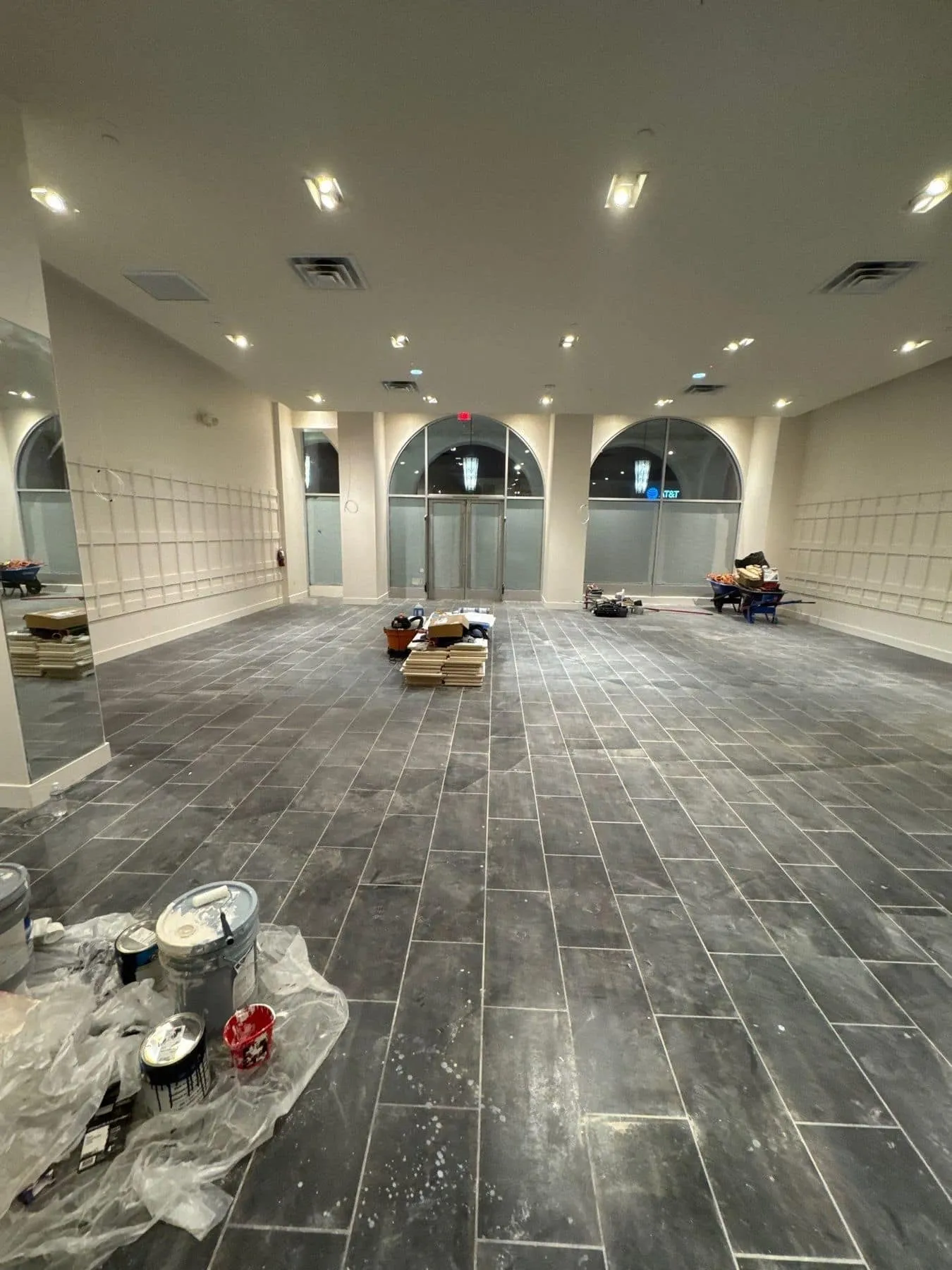
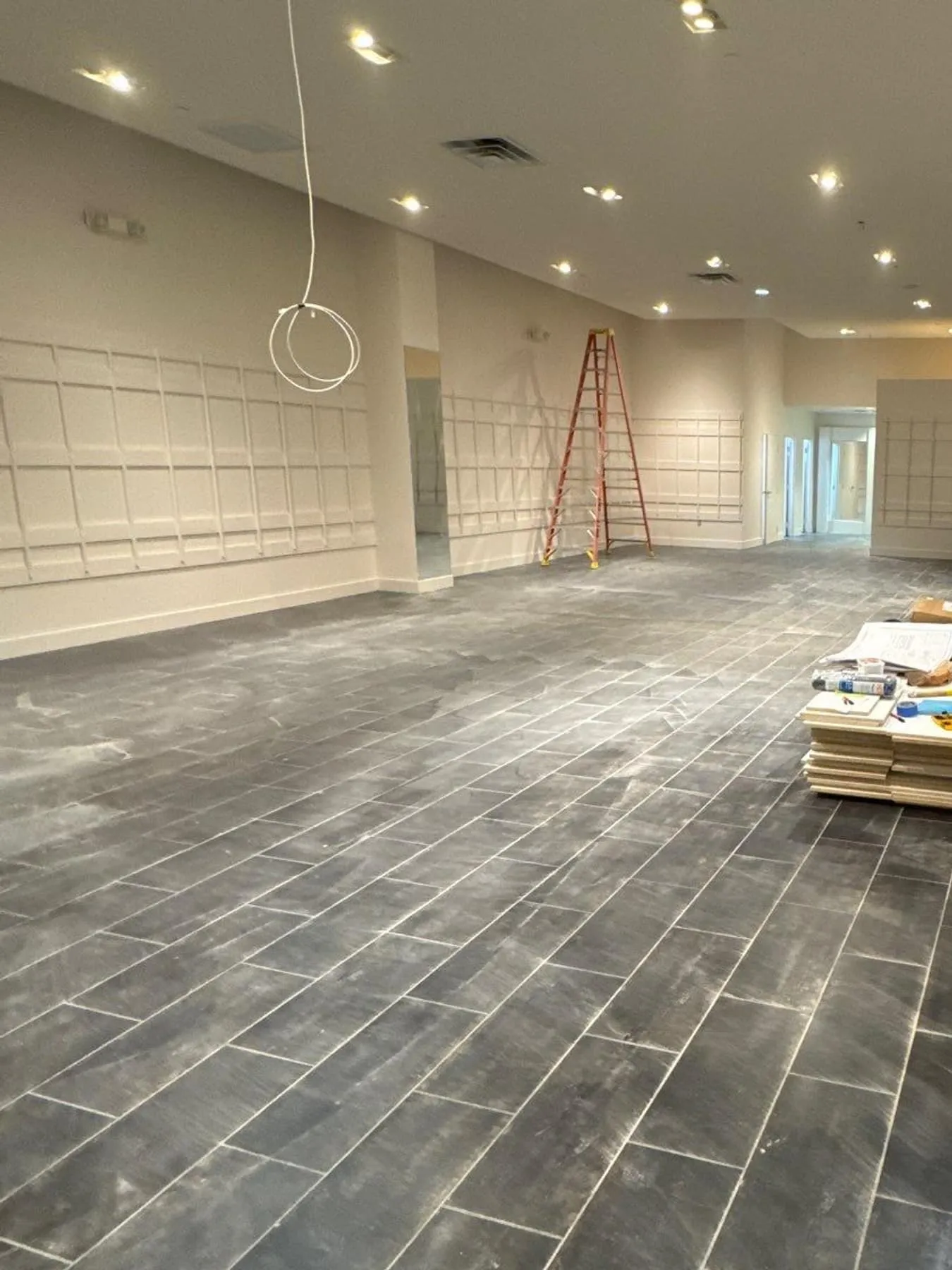
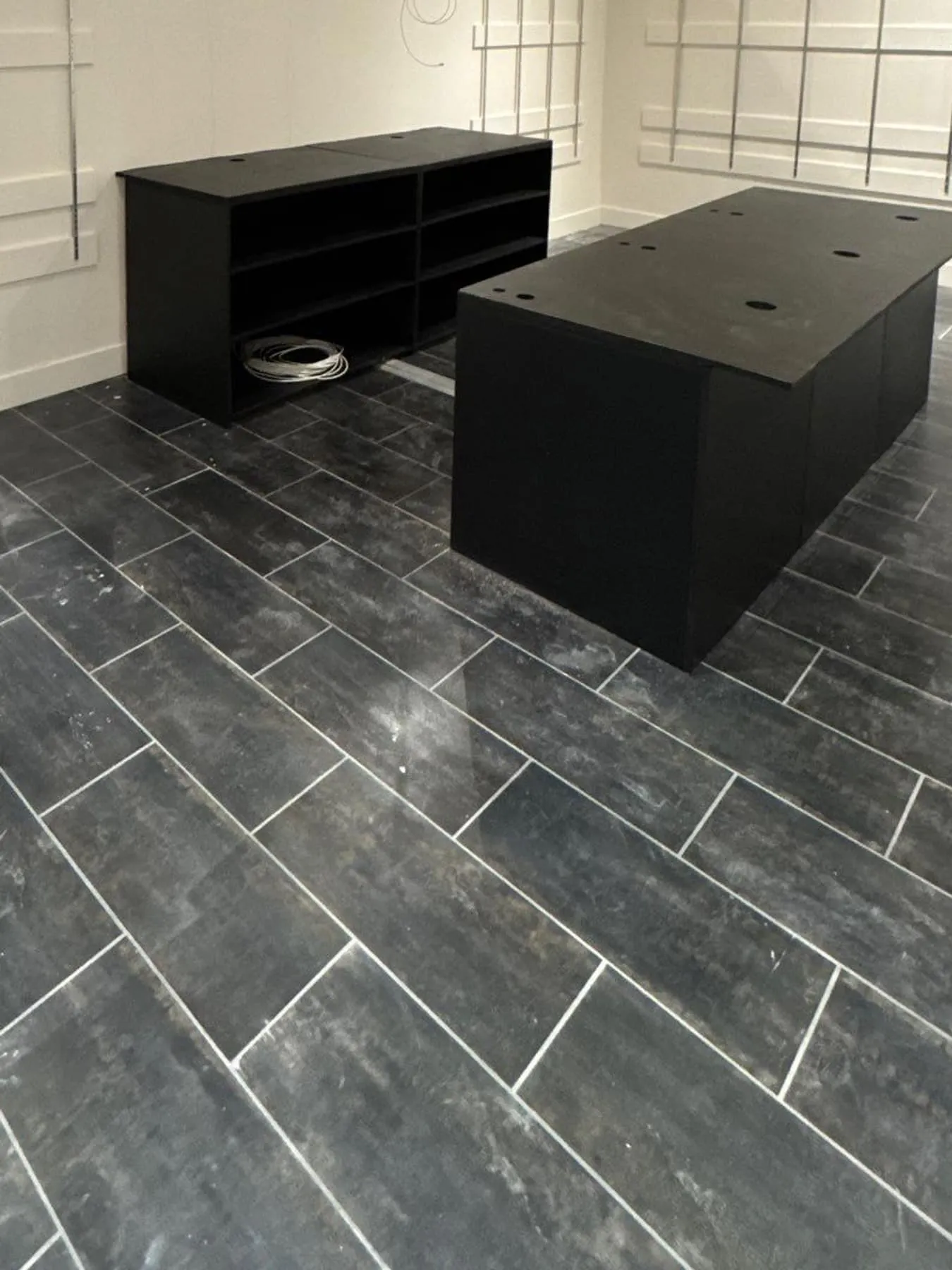
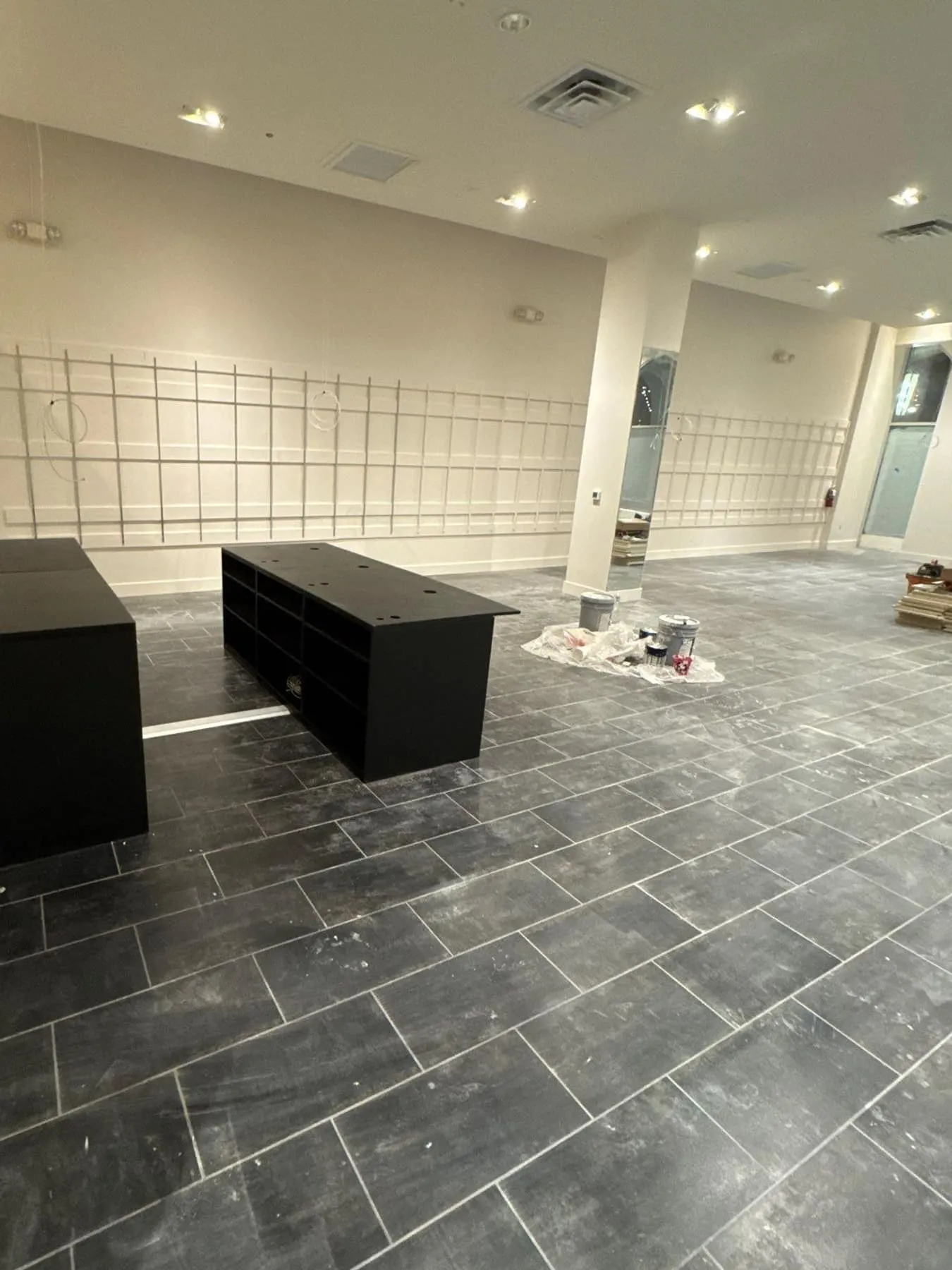
A second retail tenant improvement in Utah, and nothing like the other one to look at: dark large-format tile wall to wall, arched storefront openings down the front, white panelling and pink accent joinery. Tile, paint, drywall, wall standards and fixtures, the fitting rooms and the long tail of miscellaneous TI work. It was handed back as an empty shell — swept, lit and ready for the tenant to move in on, which is why the seven finished frames lead with the storefront from outside and then six interior shots with nothing standing on the floor. The rest is the same rooms with the tile still under dust.
Recent office visit — patch & paint
Lettering off, wall patched flat, accent colour on.
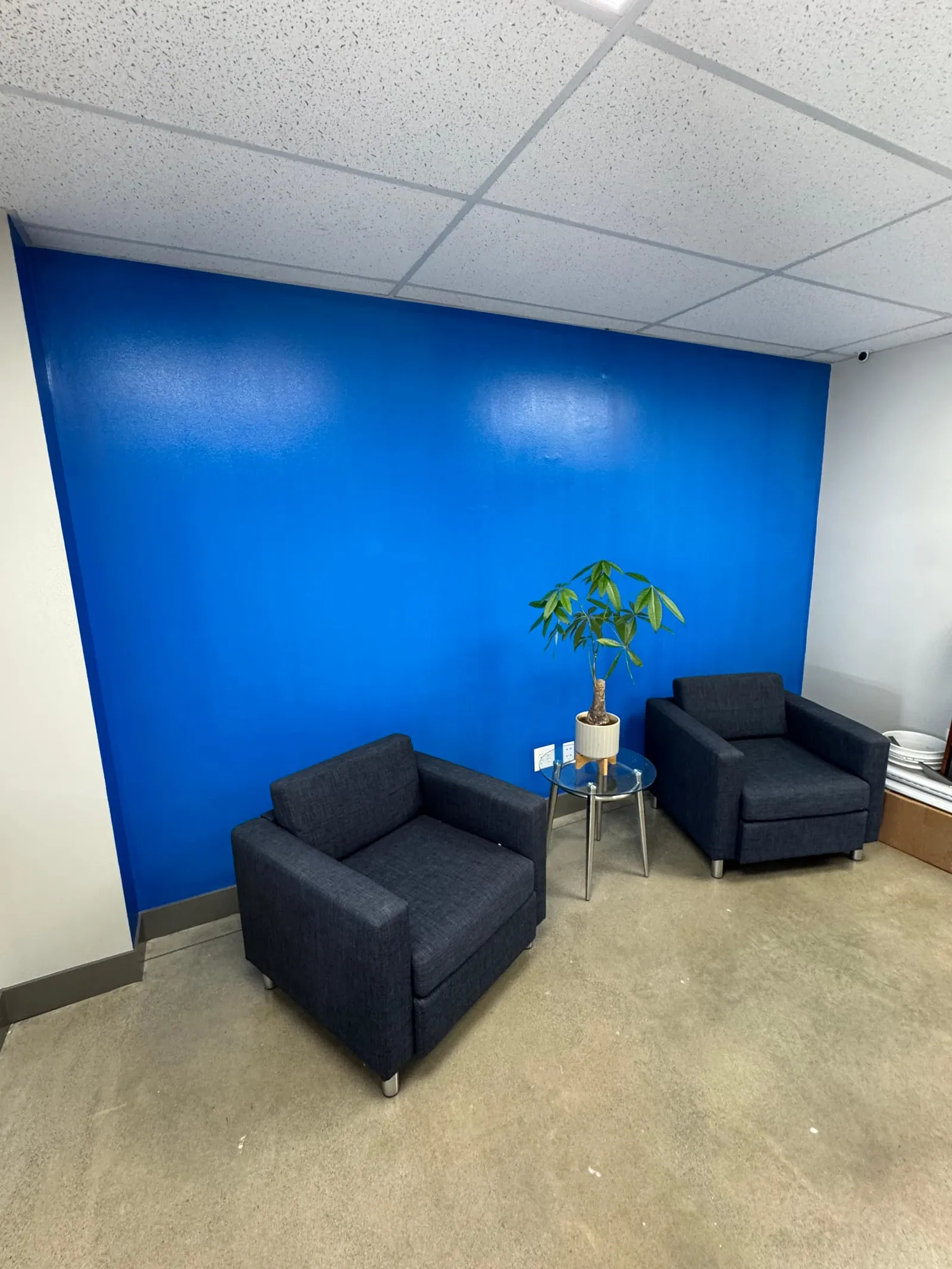
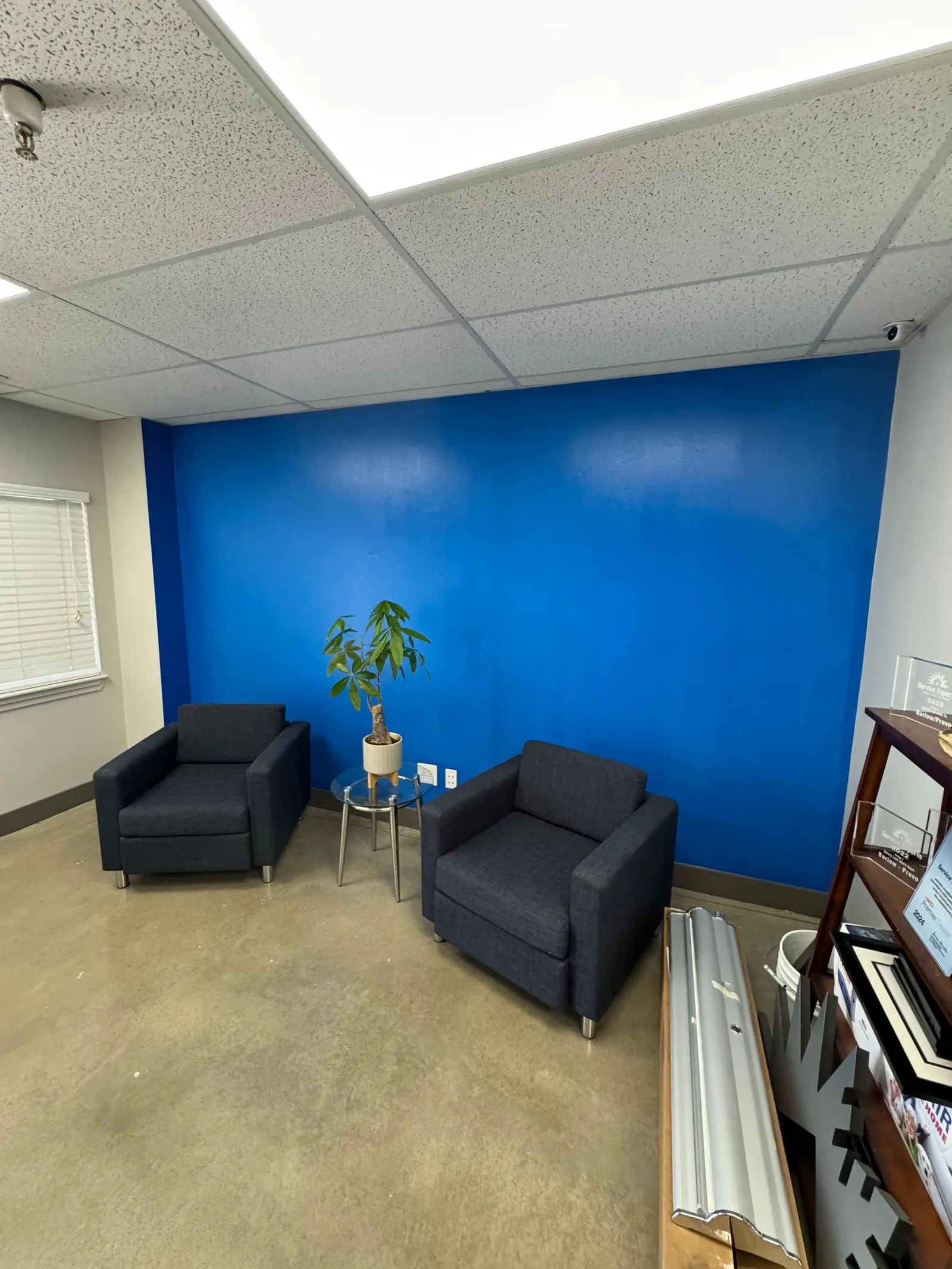
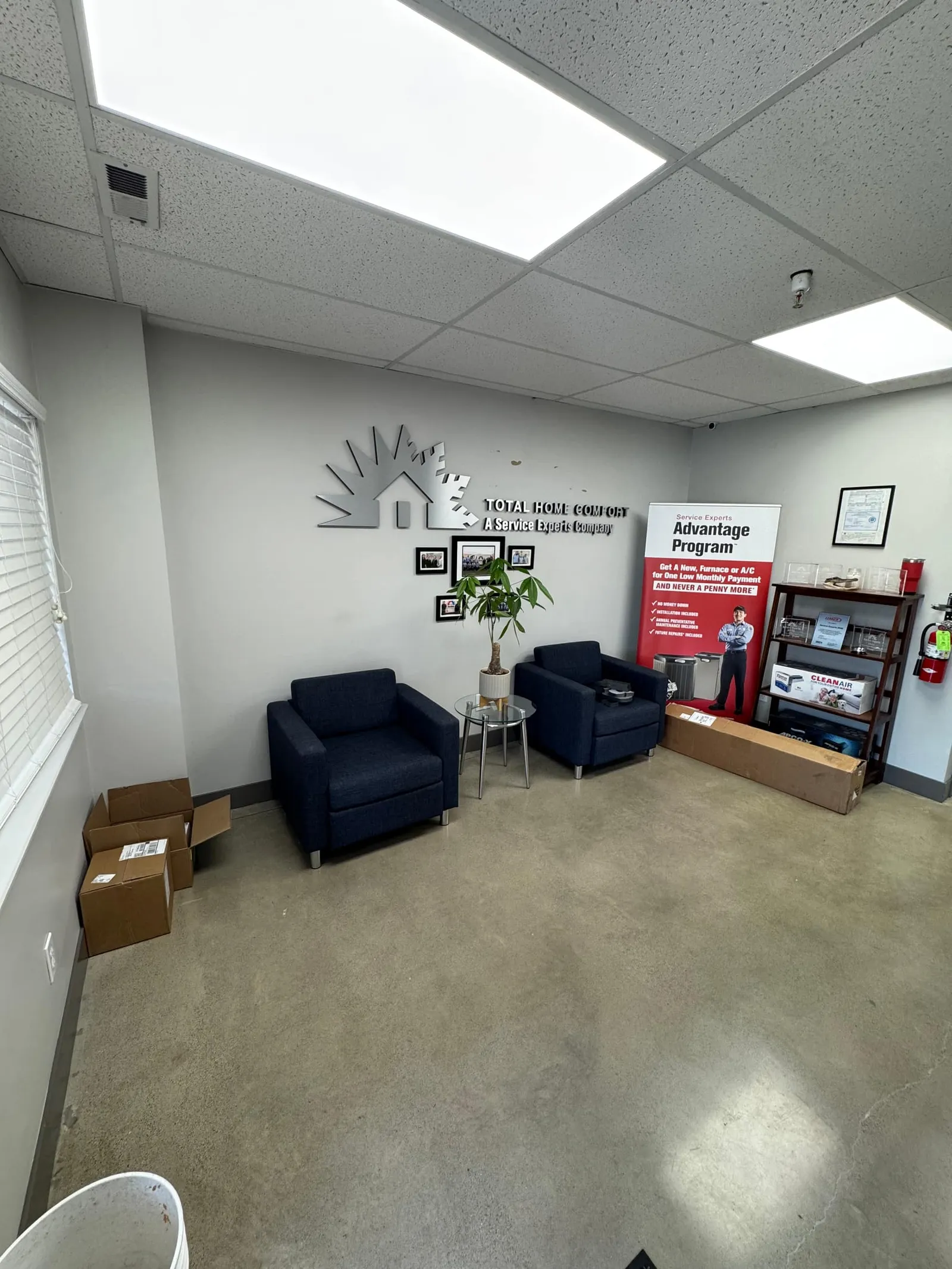
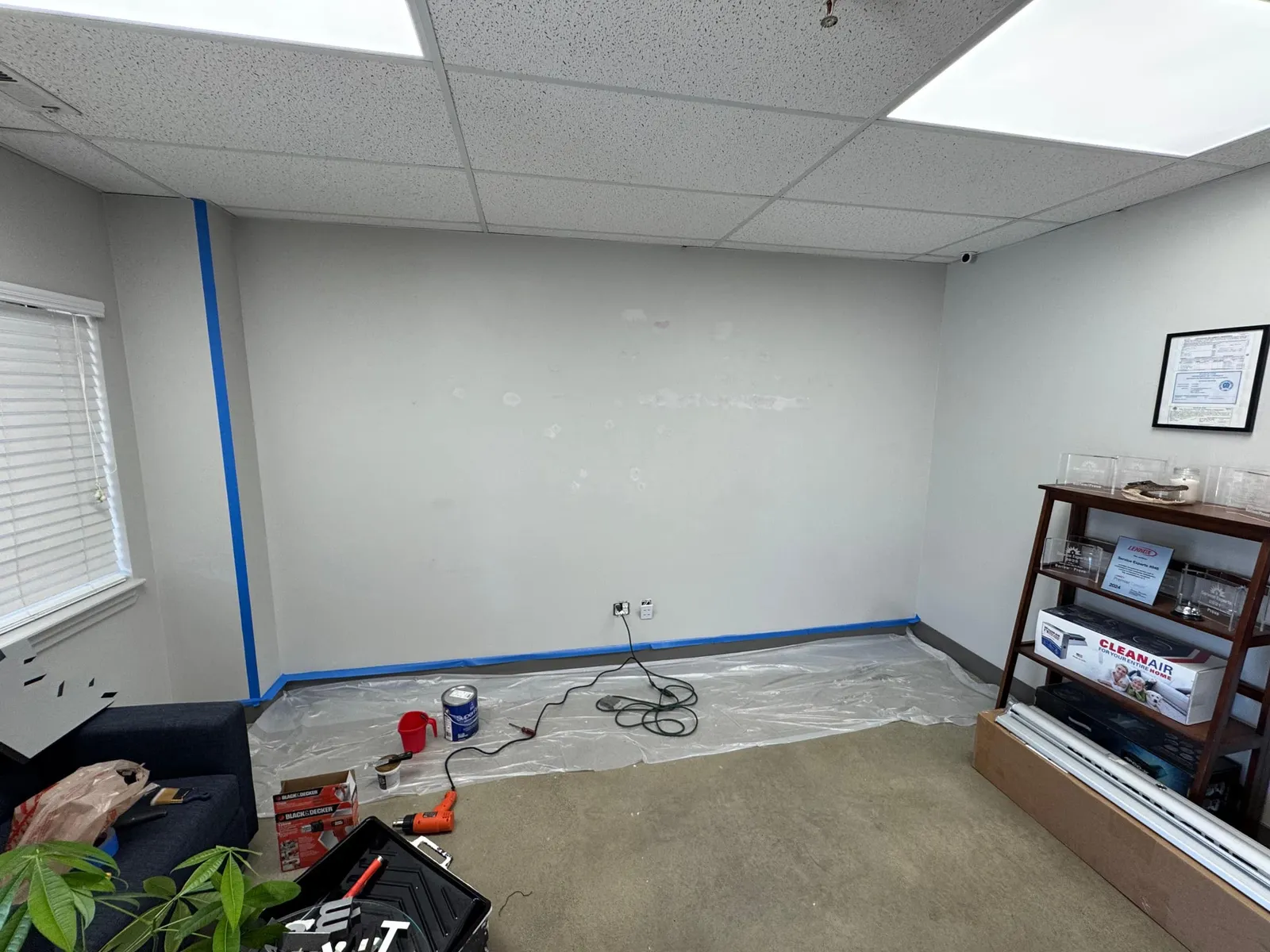
A commercial office waiting area in Utah with a run of dimensional letters on the main wall and no plan to put them back. The letters came off, every anchor hole and shadow line was patched and sanded flat, and the wall was taped out and rolled in a blue accent colour to the ceiling grid. The finished frames lead; after them is the wall as we found it, and the same wall part way through with the patches drying and the supplies still on the drop cloth.
Who calls us
Property managers and landlords
Property managers call us for the list that has to be done before the next walkthrough — unit turns, common-area fixes, landlord punch, and the small office work that never makes it onto a capital project. Send the walkthrough notes or photos. We size it as a scheduled visit or a scoped close-out, give you a written estimate, and work around tenants and trading hours when we have to.
Salt Lake County is the home patch, so most of these lists land on the normal schedule — the cities we cover are listed plainly. When a list is really one person for a day, we will say so and book it as bucket punch-list hours instead. Schools and similar sites: we take facilities-style punch and after-hours repairs when the list fits — tell us if your site needs badging or after-hours access.
On the walkthrough sheet
- Unit and common-area punch lists before turnover or inspection
- Landlord / GC close-out — walk it, fix it, photo it
- Multi-suite / office support: mounts, shelving, doors, drywall, paint touch-up
- Scheduled visits on a standing list when the work is recurring
Offices and multi-suite
Most office and multi-suite work is already above: back-office support, and maintenance and repairs. One contact, one standing list, booked as a visit rather than a project.
How a commercial job runs
The date is the scope. Everything else follows it.
- 01
Drawings and dates
Send the set, the scope or the landlord’s work letter. We tell you what is real about the date before anyone signs it.
- 02
Scoped estimate
Line items, exclusions and the trades we are carrying versus the ones you are. No allowances that quietly become change orders.
- 03
Build, on your hours
Nights and off-hours in occupied centres where that is the only way it works. Clean site, badged crew, daily notes.
- 04
Close it out
Punch list walked and cleared, photos on file, landlord and brand sign-off done rather than nearly done.
What a commercial scope covers
Written before anyone starts: the trades we carry, the ones we coordinate, what the landlord is providing, and what happens to the schedule if a long-lead item slips. Boring on purpose.
- Retail and apparel build-outs, new stores and refits
- Office and suite tenant improvements
- Back-office support: whiteboards hung, shelving added and secured
- Night and off-hours work in occupied centres
- Punch-list close-out and landlord sign-off
Questions
What people ask before they send drawings.
What kind of commercial work do you actually do?
Interior work: tenant improvements, retail and office build-outs, refits, and punch-list close-out. The background here is national apparel and retail brands, on fixed open dates and with a brand standard to hit. We do not chase ground-up construction.
Do you take small office jobs, or only full build-outs?
Both. Back-office support is real work we book: hanging whiteboards, adding and securing shelving, mounting screens, anchoring furniture, and the rest of the office punch list. Send the list and we will schedule it around your staff.
Can you work nights and around trading hours?
Yes, and in an occupied centre it is usually the only sane option. We schedule around your hours and the centre’s rules, and we leave the space sellable every morning.
Do you work with our PM, architect or GC?
Routinely. Send us into a scope as the finish contractor, the punch-list crew or the whole interior package — we will tell you plainly which trades we hold and which we coordinate.
How do you price it?
Every commercial job gets a written estimate against the drawings or the scope. Line items, exclusions and a schedule — the same way we quote a remodel, at a commercial scale.
Can property managers send a punch list without drawings?
Yes. Photos and a walkthrough list are enough for visit-scale work. Full TI still wants drawings or a landlord work letter.
Do you quote rates on the phone?
We scope first, then send a written estimate — line items and exclusions, no surprise pricing games.
Request an estimate
Send the drawings, the scope, or the list.
A full interior package, a punch list to close, or a back-office list of whiteboards and shelving. All three get a written scope with line items and exclusions.
- Tell us the open date and we will tell you if it is real
- Nights and off-hours where the centre requires it
- We say plainly which trades we hold and which we coordinate
Your turn
Send the drawings, the scope, or the open date.
Suite build-outs and TI, punch-list close-out for a landlord or GC, or a back-office list on a scheduled visit — all three get a written scope and a callback.